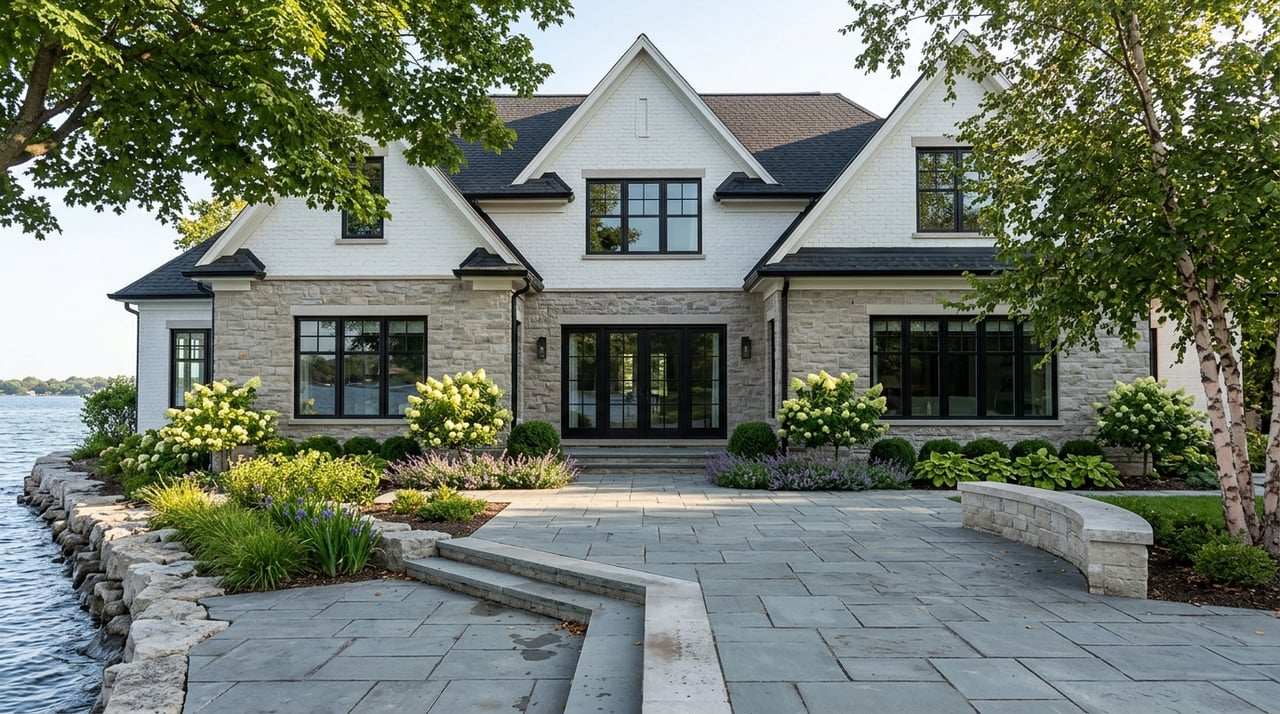
Orono Lakefront Real Estate Market: A Micro-Market Guide
July 9, 2026
July 9, 2026
If you have ever wondered why one Orono lakefront home draws intense attention while another just a short distance away appeals to a different buyer pool, the answer usually comes down to micro-markets. Orono is not one simple lakefront market with one clean price point or one standard buyer experience. When you understand how shoreline location, lot features, dock use, and property history shape value, you can make smarter buying or selling decisions. Let’s dive in.
Orono sits along Lake Minnetonka’s north shore, and that setting matters more than a citywide average ever could. Lake Minnetonka has more than 14,000 acres of water and more than 100 miles of shoreline, which naturally creates a wide range of shoreline experiences within the same broader lake system.
Orono’s planning documents also describe a clear split between the historically developed lakeshore and the city’s more rural interior. The lakeshore developed first with summer homes and later year-round residences, while inland areas remained lower density. That pattern helps explain why lakefront inventory often behaves differently from the rest of the city.
The city also notes that its existing urban area is fixed and that future urban development is limited to designated urban areas. For lakefront owners and buyers, that points to a market shaped more by constrained supply, renovation, and redevelopment than by large waves of new shoreline inventory.
One of the biggest mistakes in Orono lakefront real estate is treating every shoreline property as if it belongs in the same comp set. Public maps and districts suggest something more nuanced. Orono identifies public access points in areas like Maxwell Bay and the North Arm, and it has separate lake improvement districts for Carman Bay and Stubbs Bay.
That does not automatically mean each bay has a fixed pricing tier. It does suggest that buyers are often comparing smaller shoreline clusters with distinct conditions, access patterns, and day-to-day experiences. In practice, that means a property’s immediate lake setting can matter as much as its mailing address.
Shoreline near public access or more open-water circulation may feel very different from quieter residential stretches. Because Lake Minnetonka sees heavy boat traffic, some buyers may focus on activity and access, while others may prefer a more tucked-away shoreline feel. That difference can shape demand, showing patterns that are easy to miss if you rely only on citywide numbers.
In Orono, value often starts with the site itself. The city’s planning language specifically points to lot size, shape, topography, views, and open space as meaningful factors in lakeshore development.
That matters because two homes with similar square footage can offer very different ownership experiences if one sits on a more usable site. A wider lot, better layout, or more functional frontage can affect privacy, outdoor use, future updates, and buyer appeal.
Slope and elevation can influence both enjoyment and building potential. A lot with easier access to the water may feel more practical for everyday use, while a steep site may offer a different view experience and a different set of improvement considerations.
Orono also says house size on lakeshore lots should be tied to a lot’s size, shape, and topography, and increases in building mass should be limited. For buyers and sellers, that means the site can influence not just the current home, but also what future changes may realistically look like.
For many buyers, lakefront value is closely tied to how the property functions at the shoreline. LMCD notes that shoreline characteristics, water depth, environmental areas, legal encumbrances, and other site factors can affect what a property can actually do with docks and watercraft.
Docks and related structures must fit within an authorized dock use area and meet side setbacks. On unusual lots or shorelines, owners are encouraged to contact LMCD directly. In simple terms, not all frontage performs the same way, even if the lot looks attractive on paper.
Shoreline work can become a major market variable. Within the watershed, MCWD requires permits for many shoreline stabilization and dredging projects, and current rules favor bioengineering or other naturalized methods when shoreline protection is needed.
That means a buyer may want to understand whether the shoreline has been stabilized, dredged, or altered under permit. For sellers, organized records around improvements and approvals can help reduce uncertainty during due diligence.
Orono’s plan notes that historic small cottages close to the shore have often been updated, remodeled, or expanded into year-round homes. That history helps explain why the lakefront market can include a wide mix of housing styles and condition levels, even within a small area.
Some buyers want a move-in-ready home with updated systems and finishes. Others may be more interested in the lot, frontage, or long-term potential. That is why pricing often depends on more than square footage or bedroom count alone.
Public numbers are still useful, but they need context. Orono’s budget materials list a 2025 median home value of $1,110,400. Hennepin County’s 2025 assessment report shows a 2024 citywide median sale price of $1.13 million across 128 sales, up from $975,000 in 2023.
Those numbers help establish the broader Orono backdrop. They do not represent a lakefront-only comp set, because the county report includes both on-lake and off-lake properties.
That distinction matters a lot. The same county report shows a much lower median in suburban Hennepin County overall, while nearby lake communities such as Minnetonka Beach and Greenwood are much higher. The takeaway is simple: broad regional averages do not explain Orono shoreline value very well.
Days on market data also deserves a careful read. Redfin reports Orono homes selling after 28 days on average on one market page, while its pending listings page shows most homes staying on the market about 40 days. That gap is a good reminder that one portal average should never replace property-specific analysis, especially for a luxury lakefront listing.
If you are buying lakefront property in Orono, the smartest questions usually go beyond the house itself. You are also buying a shoreline condition, a dock setup, a site layout, and a regulatory framework.
Start with the basics:
Orono’s plan says the city may extend sewer along the lakeshore where needed to avoid negative impacts on water quality, while still keeping density limited. For some buyers, that can make utility planning part of the long-term ownership picture.
Water levels also matter more than many buyers expect. LMCD monitors lake levels and uses slow/no-wake rules near shore and docks, with the ability to impose additional restrictions during high-water or low-water conditions. A shoreline that feels ideal in one season or one year may function differently under changing lake conditions.
If you are selling in Orono, your property is likely to be judged within a smaller comp cluster, not just against the city as a whole. Buyers will look closely at the bay, frontage geometry, dock usability, shoreline condition, renovation level, and permit history.
That is why pricing a lakefront property here requires more than pulling nearby sales by radius. A strong strategy starts with identifying which features truly set your property apart and which details may need extra explanation during showings and negotiations.
Presentation also matters because lakefront buyers tend to notice both lifestyle and technical details. Clear documentation, thoughtful pre-listing preparation, and a marketing plan that highlights the right micro-market story can help your home compete more effectively.
A practical way to understand Orono lakefront is to think in layers rather than one headline number. The first layer is location on the lake, including the bay or shoreline cluster. The second is the site itself, including frontage, lot shape, slope, views, and open space.
The third layer is functionality, such as dock use, water depth, and shoreline condition. The fourth is the home, including its renovation level, year-round usability, and how well it fits the lot. Together, those layers create the real market position of a property.
That is why two homes in the same city, or even the same general part of the lake, may attract very different buyers and command very different pricing. In Orono, the details are not small. They are the market.
If you are trying to buy or sell along Orono’s shoreline, a micro-market approach can help you avoid oversimplified assumptions. It gives you a clearer picture of value, stronger expectations, and better decision-making from the start.
When you want local guidance grounded in the realities of west Lake Minnetonka, Morgan Real Estate Group can help you evaluate the details that matter most and build a strategy around your specific property goals.
Stay up to date on the latest real estate trends.



It is our plan to continue this tradition and we look forward to serving you.