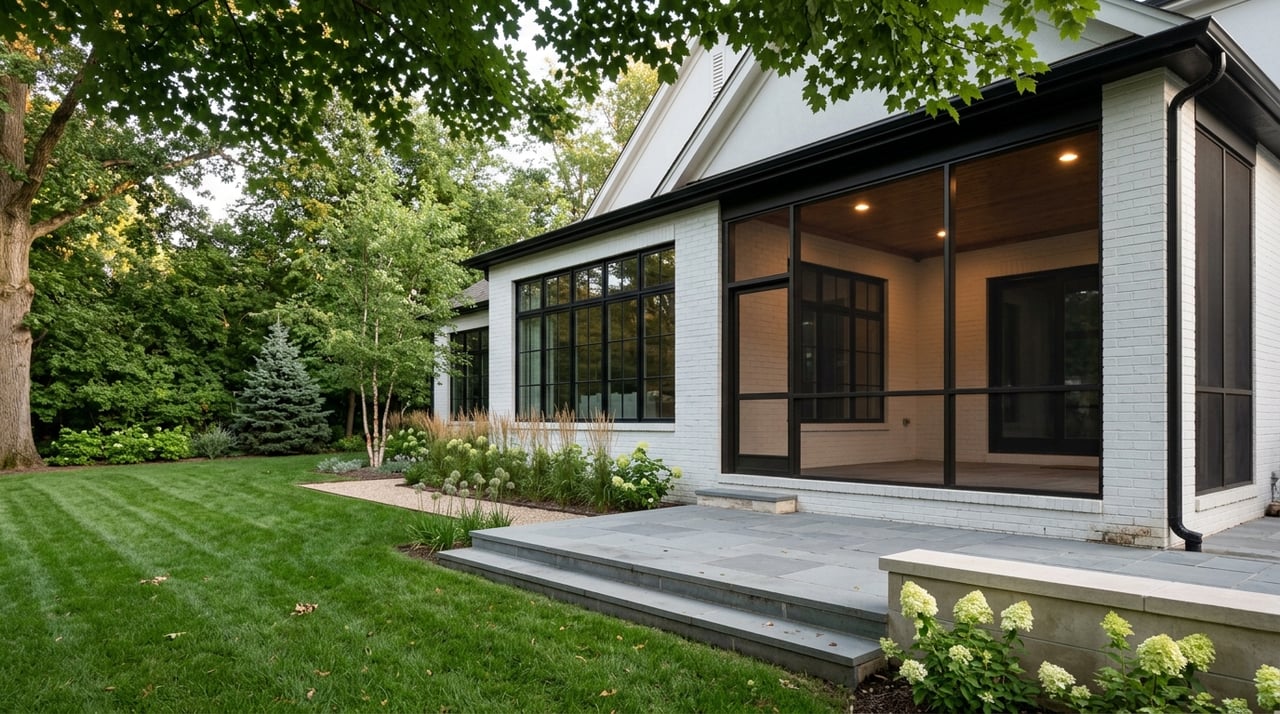
What Minnetonka Lake Area Living Feels Like Day to Day
May 21, 2026
May 21, 2026
If you picture Minnetonka’s lake-area neighborhoods as all docks and shoreline, the day-to-day reality is a little more nuanced and, for many buyers, more appealing. You get a fully developed suburban setting with strong access to lakes, trails, parks, and practical commercial pockets that make daily life feel easy. If you are trying to understand what it really feels like to live here, this guide will walk you through the rhythms, housing patterns, and everyday conveniences that shape life in Minnetonka. Let’s dive in.
Minnetonka is a suburban community of more than 53,000 residents located about eight miles west of Minneapolis. The city describes its character through its trees, wetlands, prairies, and varied bodies of water, which helps explain why it feels greener and more layered than a typical suburb.
One of the most important things to know is that Minnetonka did not grow around one traditional downtown. Its history developed through several local centers, including Minnetonka Mills, Glen Lake, Groveland, and Oak Knoll, with homes and farms between them. Today, that pattern still gives parts of the city a neighborhood-pocket feel rather than one single central hub.
That matters when you think about everyday life. In practice, lake-area living here is best understood as lake-connected suburban living rather than lakefront living on every block. You may live near water, trails, or access points while still relying on neighborhood commercial areas for errands, dining, and gathering spots.
If you want a strong example of Minnetonka’s local feel, Glen Lake stands out. City planning documents describe it as a well-preserved area with a small-town feel, a strong sense of community, a hilly landscape, and a rich tree canopy.
It also has something many suburban buyers value: a walkable commercial area along Excelsior Boulevard. That can shape your day in simple ways, whether you are heading out for a quick errand, meeting someone locally, or pairing a park visit with a stop nearby.
Planning documents for Glen Lake also point to the importance of neighborhood conveniences like a grocery store, pharmacy, restaurants, and places for people to gather. In other words, the appeal is not just scenic. It is also practical.
While Glen Lake has a more pocket-neighborhood feel, Ridgedale serves a different role in Minnetonka. The city describes it as the largest commercial node and a major commercial and economic center with access to I-394.
For you, that often means easier access to a broader mix of businesses, housing, and entertainment than you would expect from a small neighborhood strip. If your routine includes commuting, quick retail stops, library visits, or meeting friends in a central location, this part of Minnetonka can play a big role in daily life.
Ridgedale Commons adds to that convenience. The city describes it as a more urban-feeling public space near Ridgedale Mall and the Hennepin County Library, making it useful for meetups, short outings, and everyday stops.
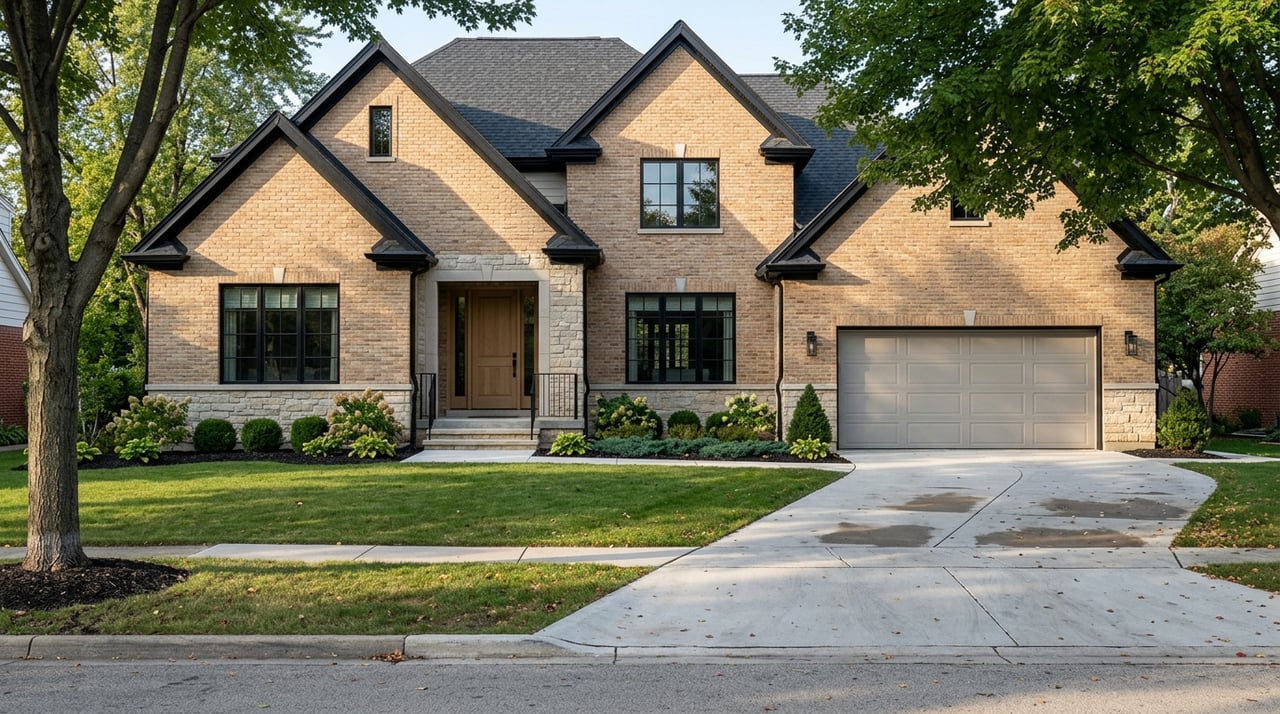
Minnetonka remains mostly low-density and single-family in character. According to the city, the majority of properties are zoned R-1, and 54% of housing units are single-family detached. Multifamily homes account for 35%, with townhomes, duplexes, triplexes, and four-unit homes making up the rest.
If you are trying to picture the lake-area neighborhoods, the safest takeaway is that they tend to feel established rather than newly built. You will generally find mostly detached homes, while attached and multifamily options are more common closer to commercial nodes and redevelopment areas.
There is also historical depth in the housing stock. The city’s land-use history notes that early 20th-century development along Lake Minnetonka included seasonal cottages, lakeshore homes, and homesteads. That older development pattern helps explain why some areas can feel layered, mature, and rooted in place.
One of the clearest lifestyle advantages in Minnetonka is how easy it is to spend time outside. The city says it has more than 100 miles of trails and sidewalks, more than 268 acres of maintained parkland across 50 parks, and more than 1,000 acres of natural public open space.
That outdoor network is not a side feature. It is part of the rhythm of daily life. With more than 20% of the city’s land area made up of wetlands and lakes, natural features show up in routines that can include a walk after dinner, a weekend trail outing, or a quick stop at a nearby park.
Lone Lake Park is a strong example of how this works in real life. The park includes 146 acres, nearly two miles of formal trails, and a 5-mile mountain bike trail that is also open to hikers, trail runners, and snowshoers in winter.
Kinsel Park offers a quieter, neighborhood-oriented option on the north side of Glen Lake. There, you will find boardwalks, picnic areas, walking and biking trails, and lake views. Nearby Glen Lake Park adds athletic fields and a skate park, giving residents different ways to use public space depending on the day.
Lake Minnetonka is one of the area’s biggest draws, but it is helpful to think about it clearly. The lake is more than 14,000 acres and is the largest lake in the Twin Cities metro area, according to the Minnesota DNR. It functions as a system of basins used year-round for recreation, fishing, and boating.
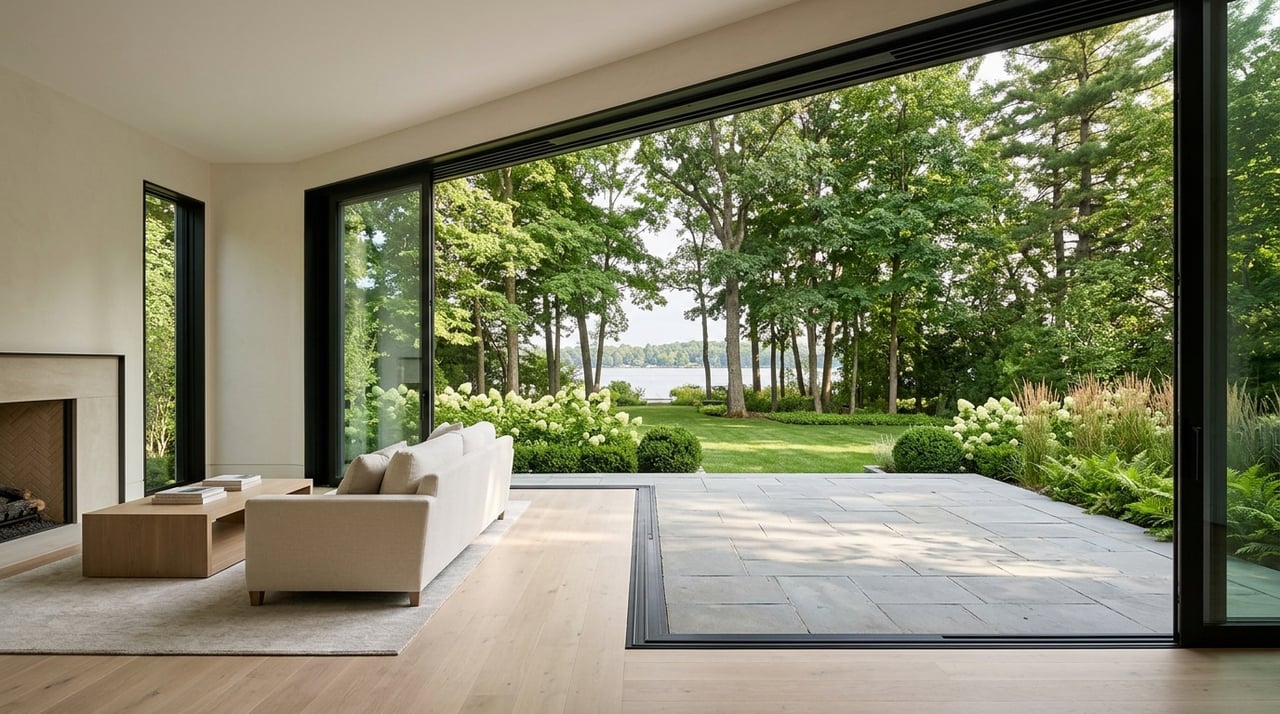
That said, not every Minnetonka home offers direct waterfront living. What many residents experience instead is strong lake access, nearby recreation, and an easy connection to the broader lake lifestyle.
Gray’s Bay Marina is one of the most concrete examples of that access in Minnetonka. During the boating season, typically from about April 1 through October 31, it provides direct access to the lake with three launch lanes and 29 permanent boat slips.
If you are considering a move here, that distinction is important. You may not need a private dock to enjoy the lake-oriented lifestyle. Public access and proximity can still shape how you spend your weekends and summer evenings.
Summer is the easiest season to picture. Boating, fishing, and lake days naturally become a bigger part of the lifestyle, although the Minnesota DNR notes that popular times can also bring heavy boat traffic and crowded ramps.
The shoulder seasons have their own appeal. Boardwalk walks, neighborhood park visits, and trail outings often become the easiest way to enjoy the area when the weather is cool but still comfortable.
Winter does not shut things down. The Lone Lake trail remains open to snowshoers, and Sauna in the Parks at Shady Oak Beach runs from October through April, offering sauna sessions and an optional cold plunge.
That year-round activity is part of what makes Minnetonka’s lake-area neighborhoods feel livable, not just scenic. The setting changes with the season, but there are still practical and recreational ways to use the area throughout the year.
A big part of choosing a neighborhood is knowing what an ordinary Tuesday feels like. In Minnetonka, daily life often blends outdoor access with trips to neighborhood commercial pockets like Glen Lake and larger convenience hubs like Ridgedale.
You also have public amenities that add variety to the routine. At The Marsh, Café Anna Lisa is open to the public for weekday breakfast and lunch, and the Marshland Market offers goods from independent makers and local artists.
That mix is part of the area’s appeal. You can enjoy parks, trails, and lake access, but you are not giving up the practical side of suburban living. For many buyers, that balance is exactly what makes Minnetonka feel comfortable over the long term.
If you are looking at homes near lakes, creeks, wetlands, or floodplains, there is a practical layer to ownership that is worth remembering. City planning documents show that some lake-adjacent areas come with special property rules and setbacks.
That does not mean those homes are less appealing. It simply means that lot use, improvements, or future plans may involve additional considerations. If you are buying in a lake-adjacent part of Minnetonka, understanding those details early can help you make a more confident decision.
For many people, the appeal comes down to balance. You get an established suburban environment, varied housing, meaningful outdoor access, and multiple commercial nodes that support daily life.
You also get a setting that feels connected to water without requiring full-time waterfront living. That can open the door to different price points, property types, and lifestyle choices while still keeping the lake identity close at hand.
If you are searching in Minnetonka, it helps to look beyond the idea of “lake living” as one single thing. The better question is how you want to live day to day, and which neighborhood pocket best matches that routine.
Whether you are buying near Glen Lake, exploring homes with easier access to Ridgedale conveniences, or considering a lake-adjacent property with a more established residential feel, local insight can make the search much more useful. If you want help understanding how Minnetonka’s neighborhood pockets compare in real life, connect with Morgan Real Estate Group.
Stay up to date on the latest real estate trends.
It is our plan to continue this tradition and we look forward to serving you.