Excelsior Character Homes: How to Buy on Older Streets
April 23, 2026
April 23, 2026
Thinking about buying an older home in Excelsior? It is easy to fall for the porch, the rooflines, the walkable streets, and the sense that no two houses feel quite the same. But when you shop for a character home here, you also need to understand preservation rules, maintenance priorities, and what makes these properties different from newer homes. This guide will help you look past first impressions so you can buy with more confidence. Let’s dive in.
Excelsior’s older neighborhoods did not grow like a typical grid-planned suburb. According to the City of Excelsior design manual, the community developed as a Lake Minnetonka resort town beginning in the 1850s, with streets and homes shaped by the lake, steamboat travel, rail access, hotels, cottages, and year-round dwellings.
That history still shows up today. On older streets, you may see compact lots, varied setbacks, porch-heavy facades, and homes from different eras standing side by side. For you as a buyer, that often means more charm and more variety, but also fewer cookie-cutter assumptions about layout, updates, and future projects.
One of the biggest draws of Excelsior’s older housing stock is the range of architectural styles. The city’s preservation materials identify forms that include Italianate, Queen Anne, Colonial Revival, Gabled-L cottage, American Four-square, Craftsman/Bungalow, Prairie, and Tudor/English Revival.
Knowing the broad style of a home can help you understand both its appeal and its upkeep needs. It can also help you spot whether an update feels appropriate to the house or out of place.
Queen Anne homes often have irregular shapes, steep intersecting rooflines, and a lot of visual detail. In Excelsior, the city identifies examples on streets such as Maple, Mill, and Second, which gives you a sense of how these homes contribute to the area’s layered look.
Italianate and Second Empire homes usually feel taller and more ornate. Wide bracketed eaves, tall windows, hipped or mansard roofs, and porches or verandas are common clues.
These homes often feel practical and balanced. A Gabled-L cottage is generally simple in form, while an American Four-square is typically a nearly square, two-and-a-half-story home with four main rooms per floor, a full front porch, and a centered dormer.
If you want character without an overly complicated layout, these styles can be especially appealing. They often offer straightforward room arrangement while still keeping the period details that make older Excelsior homes stand out.
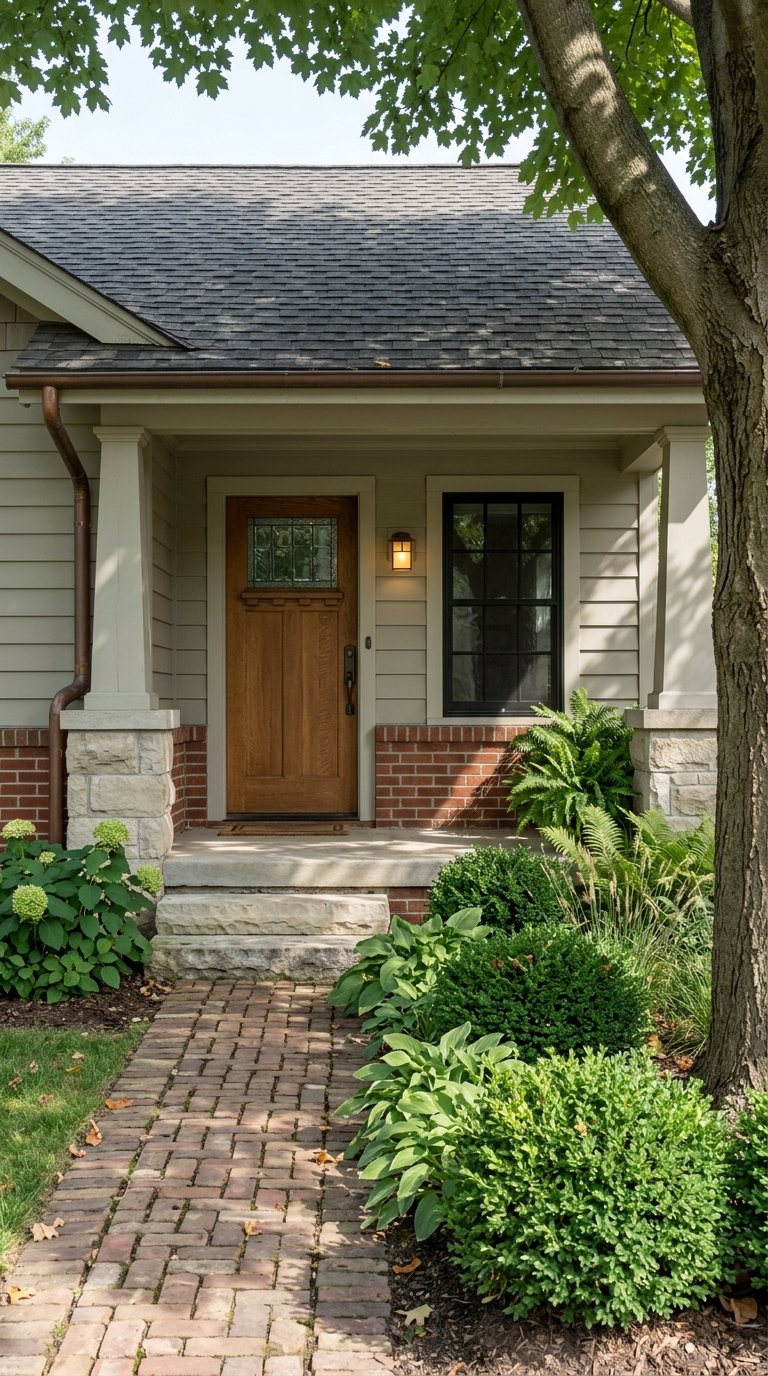
Craftsman/Bungalow and Prairie homes emphasize low-pitched roofs, broad eaves, horizontal lines, and substantial porches. Prairie homes may also have stronger window banding and a lower, more horizontal profile.
Colonial Revival homes usually read as more symmetrical and formal, while Tudor or English Revival homes often feature steep roofs, irregular plans, and prominent chimneys. These differences matter when you compare homes, because the style often shapes everything from natural light to future renovation choices.
Some of Excelsior’s oldest lake-facing properties began as summer cottages. The city’s preservation materials reference examples such as the Little Brown Cottage, Kalorama Cottage, and Palmer’s Grove, which reflect how porches, additions, and rooflines can carry as much value as raw square footage.
That is a useful mindset when you shop. In an older Excelsior home, the details that create the feeling of the property may also be the details worth protecting.
Character is the fun part. Condition is the part that protects your budget.
The city’s design manual highlights several features that deserve close attention in older homes, including roofs, chimneys, windows, porches, and foundations. If you are comparing homes in Excelsior’s older streets, these are the places to focus first.
Older homes may have rooflines and materials that are central to their appearance. The city notes that many historic homes originally had wood shingle or tile roofs, and it recommends paying attention to drainage, gutter condition, and water movement away from the foundation.
Chimneys also deserve a careful look. Cracking, leaning, or signs of moisture intrusion can point to larger repair needs, especially after Minnesota winters.
Some older Excelsior homes have finely crafted native-stone foundations, which add real visual appeal. They also require thoughtful maintenance, especially when water is allowed to collect near the home.
The city recommends keeping vegetation clear of the wall and directing water away from the foundation. That guidance lines up with broader Minnesota moisture best practices, especially in a climate where freeze-thaw cycles can make small water issues more expensive over time.
The city notes that historic local windows are often double-hung wood sash. If a home still has original or older windows, you will want to understand their condition, repair history, and how they affect comfort and efficiency.
In many older homes, repair can be more appropriate than replacement. That is especially important if the property has historic status or if you want to preserve the home’s proportions and exterior character.
In Excelsior, a front porch is often not just an extra feature. It is part of the home’s identity.
The preservation manual treats porch roofs, posts, railings, decking, and beadboard ceilings as important character elements. It also says open front porches should not be enclosed and that first-floor decks in front of historic houses are inappropriate. For you as a buyer, that means porch damage or prior alterations can affect both aesthetics and what the city may allow later.
Beyond architectural details, a few Minnesota-specific concerns should be part of your due diligence.
The Minnesota Department of Health recommends that all Minnesota homes be tested for radon and specifically encourages testing before purchase or occupancy during a real estate transaction. If you are buying an older home in Excelsior, radon testing is a practical step, not an optional extra.
Lead-based paint is another common issue in older properties. The EPA says older homes are more likely to contain lead-based paint, and homes built before 1978 should be treated as potential lead-hazard properties, especially if renovation is planned.
Winter moisture is also worth attention. University of Minnesota Extension explains that ice dams can lead to leaks into walls, ceilings, insulation, and other areas. In older homes, attic air sealing, gutter maintenance, and exterior water management can make a major difference.
Before you assume a remodel will be simple, check whether the home has heritage status or sits within a designated district. The City of Excelsior heritage preservation page explains that the Downtown Historic District contains 74 structures and one site, with 59 contributing resources plus the Port of Excelsior.
That matters because designated landmarks and district properties are subject to exterior review when altered. The same city page also notes that Excelsior commissioned surveys of all properties in the city to help identify potential heritage resources, so even if a home is not immediately obvious to you as historic, it is smart to verify its status directly with the city.
If the property is a heritage site, exterior work can trigger additional review. According to the city, significant exterior alterations, demolition, additions, new construction, roofline changes, material changes, and architectural-style changes require a Site Alteration Permit and Heritage Preservation Commission review.
Even outside heritage review, many standard residential projects still require permits. The city’s required permits page says permits are required for work affecting siding, windows, roofs, additions, garages, decks, plumbing, and mechanical systems, and inspections are required for building, mechanical, and plumbing permits.
The practical takeaway is simple: in Excelsior, future upgrades should be treated as permit-first projects. That approach can save you time, money, and frustration later.
Yes, and the city’s preservation approach actually supports that goal. The design manual says the intent is to keep historic buildings modern and functional while retaining essential character, following the Secretary of the Interior’s Standards.
In practice, that means repair is often preferred over replacement. The city favors solutions such as compatible storm windows, weather-stripping, and replacement windows that match the original size, style, and proportion rather than changing openings or dropping in stock replacements that alter the facade.
For you, that creates a helpful framework. If you want modern comfort, focus on improvements that respect the home’s original design instead of fighting it.
Historic designation can add review requirements, but it may also come with a cost benefit. The city notes in its design manual that building permit fees may be reduced by 50% for landmarks and 25% for contributing buildings in the Downtown Historic District.
That will not offset every renovation cost, but it is still meaningful. If you are comparing two older homes and one has historic status, the right question is not just whether review exists. It is also whether the designation adds long-term value, protection, or savings that fit your plans.
When you buy on Excelsior’s older streets, it helps to think in layers. Start with the feeling of the block and the style of the home, then move quickly into inspection priorities, moisture risks, permit requirements, and preservation status.
The right house is not always the one with the most updates. Sometimes it is the one with the best bones, the most intact character, and a realistic path to thoughtful improvements.
If you are considering a character home in Excelsior and want local guidance on what to watch for, connect with Morgan Real Estate Group. You will get clear advice, local perspective, and a thoughtful approach to buying in one of the west metro’s most distinctive lake communities.
Stay up to date on the latest real estate trends.


It is our plan to continue this tradition and we look forward to serving you.