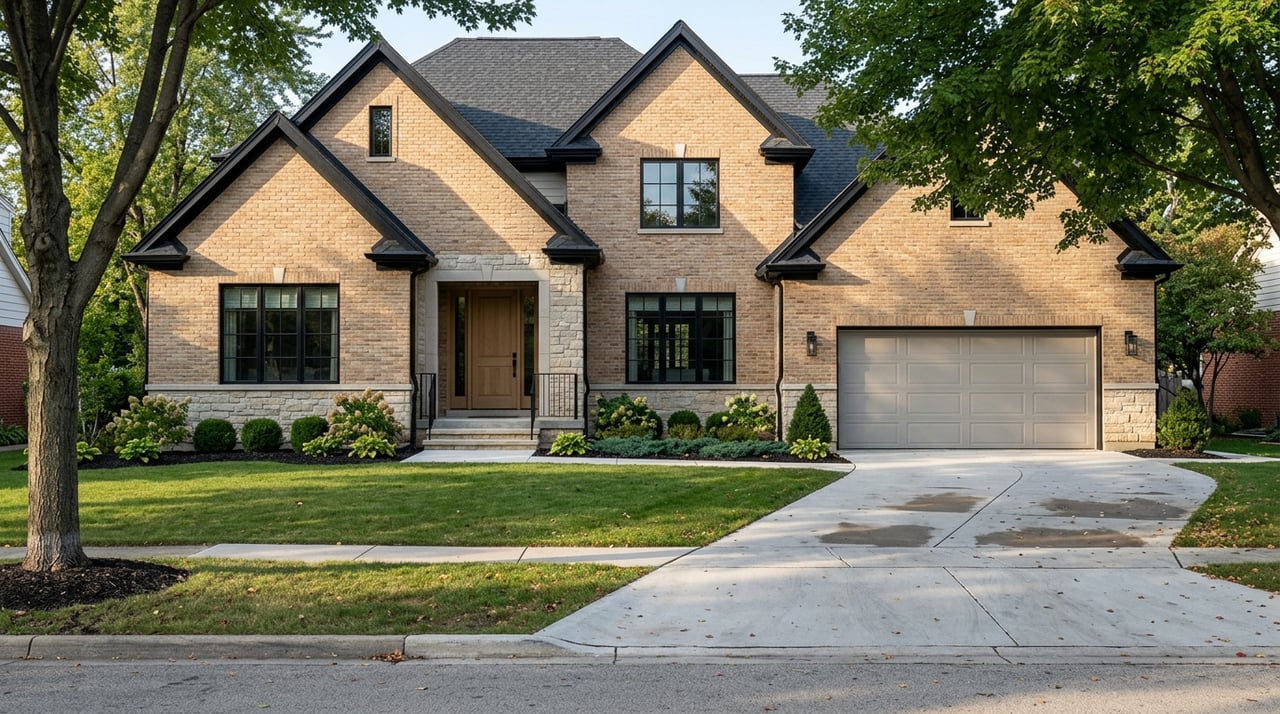
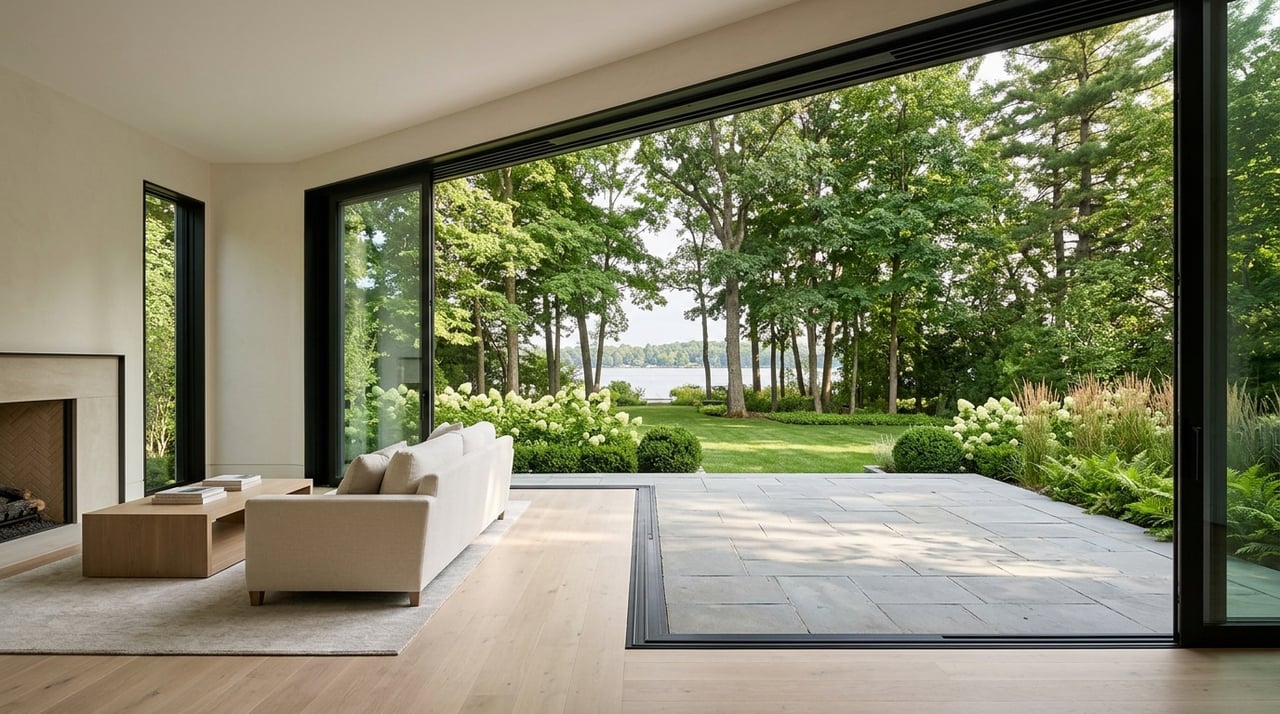
You already know you want to live in Minnetonka. The real question is which home type fits your lifestyle and budget best: a low‑maintenance townhome or a classic single‑family. Both can be smart plays here, and each handles upkeep, privacy, amenities and long‑term flexibility in different ways. In this guide, you’ll compare the tradeoffs side by side and learn a clear method to estimate your true monthly costs before you write an offer. Let’s dive in.
Minnetonka market snapshot
Minnetonka is a west‑metro suburb of about 53,000 people with a higher‑than‑average median household income for Hennepin County. Recent housing data shows a citywide median sale price around the mid‑$400Ks, with typical days on market in the 40 to 60 day range and a modest year‑over‑year dip as of early 2026. Townhomes and other attached options often come in at a lower absolute price than comparable single‑family homes, with strong demand near Ridgedale, major corridors and neighborhood amenities. Always verify current numbers with live MLS data before you make a decision.
Property taxes matter to your monthly payment too. The City of Minnetonka adopted a 7.91 percent levy increase collectible in 2026, and the city provided an example impact for a median‑valued home. You can review the city’s levy update for context and then use Hennepin County’s property tax resources to understand how assessments and levies flow into your actual bill. See the city’s announcement on the 2026 levy and the county’s overview of the property tax process for details.
- City levy context: review the city’s 2026 budget and levy update at the City of Minnetonka news page: 2026 levy and budget overview.
- County tax process: learn how assessments and levies create your tax bill at Hennepin County: property tax basics.
Townhome vs single‑family: what changes day to day
Maintenance and monthly costs
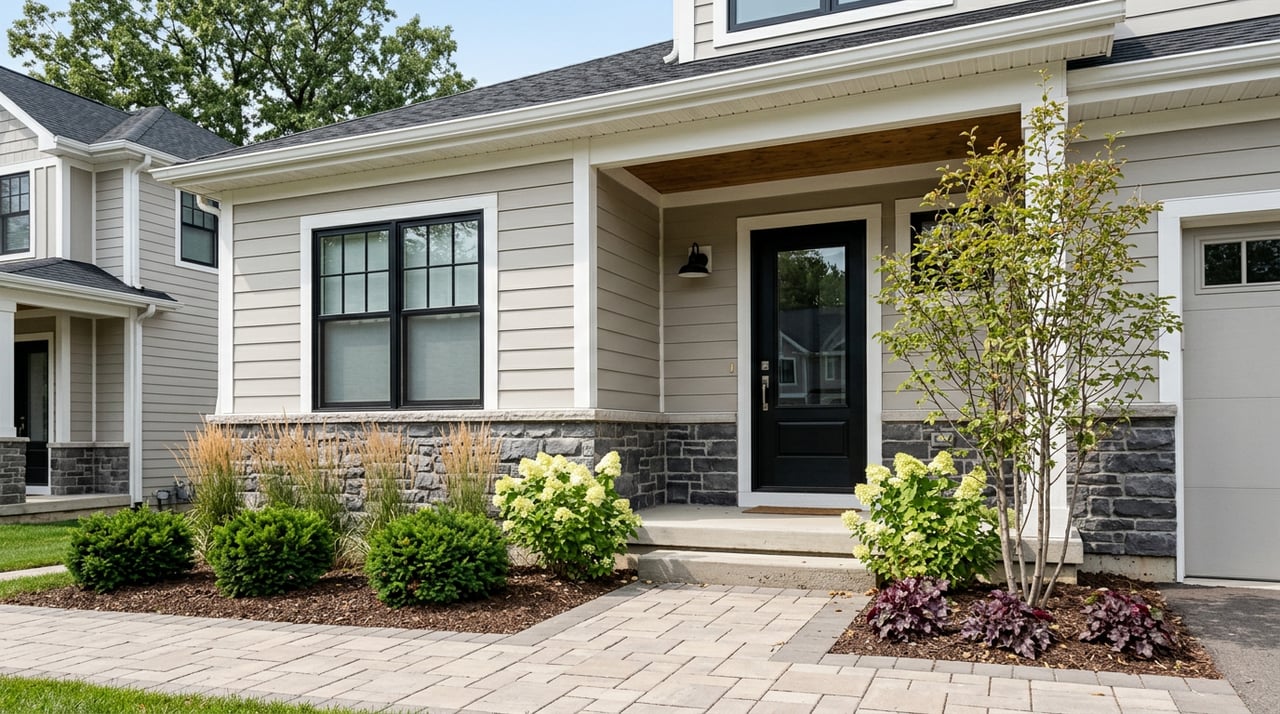
- Townhome or condo
- Many exterior tasks such as roof, siding, common landscaping and snow removal are typically handled by the association and funded through HOA dues. This shifts some large, irregular expenses into a predictable monthly payment. Review the HOA’s budget and reserve plan to see what is covered, what is not and whether reserves are healthy. Guidance from community management pros can help you frame the right questions. See a practical overview of typical HOA responsibilities at FirstService Residential’s FAQ.
- Minnetonka HOA dues vary widely by community and amenity package. Recent listings show a range roughly from the low $300s to the mid $600s per month. Exact coverage and dues differ by project, so always confirm in writing.
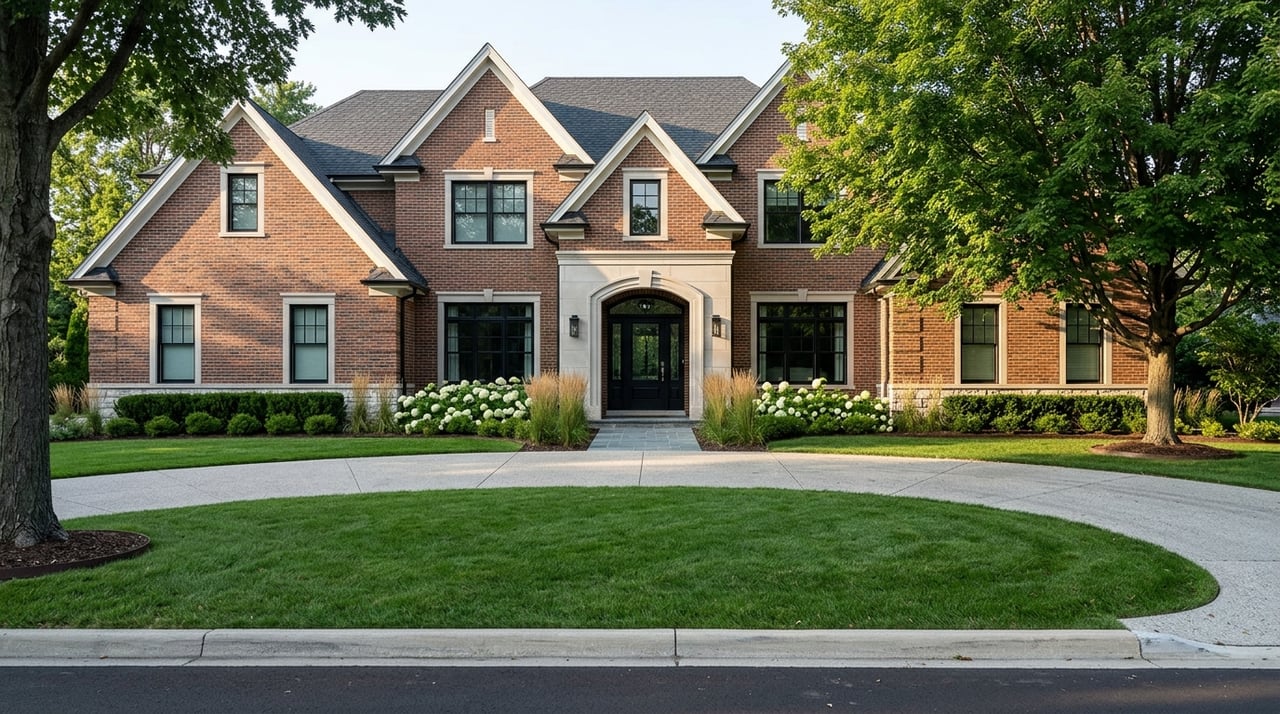
- Single‑family home
- You are responsible for all exterior and lot care, plus major systems. A common planning guide is to set aside at least about 1 percent of the home’s value per year for routine maintenance, and potentially more on older properties. Read an easy overview of the 1 percent rule and other owner costs from Quicken Loans’ homeowner cost guide.
Privacy and space
- Townhome
- You may share walls, so noise can be a consideration. Privacy varies by layout, construction quality and whether you choose an end unit. Outdoor space is often smaller and governed by association rules.
- Single‑family
- No shared walls and a private lot usually mean more quiet and control. Yards can support pets, gardens and play, subject to local zoning and any neighborhood rules.
Amenities and HOA coverage
- Townhome
- Many communities include snow removal, lawn care, exterior insurance, and sometimes a pool, clubhouse, gym or trails. That convenience has a cost that appears in monthly dues. Coverage varies widely, so request governing documents, the annual budget and the reserve study to know exactly what you are buying. A quick primer on what HOAs commonly cover is available in this HOA FAQ.
- Single‑family
- You manage your own amenities and services. You have more freedom to choose how and when to invest in your property, but budgeting and vendor coordination are on you.
Insurance basics
- Townhome or condo
- You will typically carry an HO‑6 condo policy that covers your interior finishes, personal property and liability. The association usually carries a master policy for the exterior and common areas. Ask for the master policy’s declarations page and deductible so your agent can align your coverage, including loss‑assessment protection. Read a plain‑English overview of HO‑6 coverage at Insurify’s condo insurance guide.
- Single‑family
- You will typically carry an HO‑3 homeowners policy for the full structure and your belongings. Premiums vary with rebuild cost, features and claims history.
Long‑term flexibility: resale, rentals and financing
- Resale and appreciation
- In many markets, detached single‑family homes capture more of the land‑value premium and attract a broad buyer pool. Well‑located townhomes near schools, retail and commuter corridors can also resell quickly. Your micro‑neighborhood, property condition and floor plan matter more than the label.
- Rentals and use rules
- Many associations have rental caps, lease requirements or minimum owner‑occupancy periods. Minnesota law requires a resale disclosure certificate that spells out key association details on dues, reserves, insurance and any special assessments. Review it carefully before you commit. You can read the required contents in Minnesota Statutes 515B.4‑107 and practical guidance on resale packets from this Minnesota HOA law resource.
- Financing and project approval
- Some attached communities require extra lender approvals for certain loan types. Ask about project warrantability or FHA/VA approval if you plan to use those programs. Detached single‑family homes do not carry project‑level approval requirements.
How to estimate your true monthly costs
You can compare apples to apples by breaking your payment into four buckets: mortgage, taxes, insurance and upkeep. Here is a simple method you can use on any Minnetonka property.
- Mortgage payment
- Ask your lender to provide payment estimates for your target price, down payment and rate. Get a written quote for both a townhome and a single‑family in your preferred neighborhoods.
- Property taxes
- Look up the most recent assessed value and tax history, then estimate the new bill after your purchase. Hennepin County explains the assessment and levy process here: property tax basics. Remember that the city’s 2026 levy increase affects the city portion of your bill. Review the city update: 2026 levy and budget overview.
- Insurance
- Get quotes for an HO‑3 policy on a single‑family and an HO‑6 policy on a townhome or condo. Ask your agent to coordinate with the HOA’s master policy for attached homes so you avoid gaps and duplicate coverage.
- Maintenance and HOA
- For single‑family homes, use the 1 percent rule as a starting point. If a home is $500,000, plan about $5,000 per year for routine upkeep, then adjust up for age or major systems nearing replacement. See the overview from Quicken Loans.
- For townhomes, add the monthly HOA dues for exterior care and community amenities. You should still set aside funds for interior items and for potential special assessments, guided by the HOA’s reserve study and budget.
A side‑by‑side illustration
Below is a simplified example to show how the pieces fit together. Use live MLS data and current quotes to replace the placeholders.
Assumptions
- Townhome scenario: purchase price in the low‑to‑mid $400Ks, HOA around $380 to $400 per month based on recent Minnetonka listings, interior finishes in average condition.
- Single‑family scenario: a mid‑price Minnetonka home near recent mid‑market sales around the upper $400Ks.
- Same down payment and interest rate in both cases.
Monthly components to compare
- Mortgage: Use your lender’s estimates for each price point.
- Property taxes: Use the latest tax history and assessor value for each address. Hennepin County’s resources explain the process: property tax basics.
- Insurance: Quote an HO‑6 for the townhome and an HO‑3 for the single‑family. Coordinate the HO‑6 with the HOA master policy.
- HOA dues: Add the monthly dues for the townhome. Confirm everything covered in writing.
- Maintenance reserve: For the single‑family, start with about 1 percent of home value annually. For the townhome, plan a smaller interior reserve and evaluate the HOA’s reserves to gauge special assessment risk.
What you will usually see
- The townhome’s monthly payment often looks more predictable because exterior costs move into the HOA. You give up some control but gain time back from yard and snow care.
- The single‑family’s dues line is zero, but your maintenance reserve should be higher, and big‑ticket items can be lumpy. You keep full control over projects, design and timing.
What to ask on tours
If you are touring a townhome or condo
- What are the current monthly dues and exactly what do they cover? Ask for the budget, reserve study and the insurance declarations for the master policy. See typical HOA coverage items in this HOA FAQ.
- Are there rental caps, waiting lists or minimum lease terms? Review the rules, bylaws and resale disclosure certificate required by Minnesota Statutes 515B.4‑107.
- Have there been recent or upcoming special assessments or major capital projects? Request the last 12 months of board minutes.
If you are touring a single‑family home
- What are the ages and service histories for the roof, HVAC and water heater? Are there any known issues with drainage or the foundation?
- Who has been handling snow and lawn care, and what has it cost? Ask for utility histories for a full picture.
- What were the most recent property taxes, and are there any pending local assessments? Hennepin County explains the tax process here: property tax basics.
For both property types
- Get a pre‑purchase inspection. Use it to refine your maintenance plan and negotiation strategy.
- Set your annual maintenance cushion at a realistic level based on age, condition and inspection findings. The 1 percent rule from Quicken Loans is a useful starting point.
Which option fits you best?
Choose a townhome if
- You want predictable monthly costs, professional exterior care and access to shared amenities.
- You have a busy schedule and prefer to outsource snow removal, lawn care and exterior maintenance.
- You are comfortable following community rules that protect common assets and curb appeal.
Choose a single‑family if
- You value privacy, yard space and total control over projects and customization.
- You want flexibility to add features in the future, subject to local rules.
- You are comfortable budgeting for variable maintenance and coordinating vendors.
Your next step
Before you decide, align the numbers with your lifestyle. Get current MLS comps, request the full HOA packet if you are considering an attached home, price out insurance and plug your property taxes into your budget. If you want a clear, local side‑by‑side for Minnetonka neighborhoods and school attendance areas, our team can help you compare by block and by floor plan. Reach out to the Morgan Real Estate Group to get a tailored short list and a precise carry‑cost worksheet for the homes you are eyeing.
FAQs
What are typical HOA dues for Minnetonka townhomes?
- Recent Minnetonka listings show many communities in a range from roughly $300 to $650 per month, with coverage and amenities varying by project. Always confirm current dues and what they include in writing.
How do Minnetonka property taxes affect my payment?
- Your bill reflects the assessed value plus levies from the city, county, school district and other entities. Minnetonka adopted a 7.91 percent city levy increase collectible in 2026. Review the city update and use Hennepin County’s resources to estimate your address‑specific taxes.
What documents should I review before buying a townhome or condo?
- Request the resale disclosure certificate, current budget, reserve study, insurance declarations, CC&Rs, bylaws, rules and recent board minutes. Minnesota requires specific disclosures in Statute 515B.4‑107.
How should I budget for single‑family maintenance in Minnetonka?
- Many owners start with about 1 percent of the home’s value per year for routine upkeep, then adjust for age and condition. Use inspection results to refine your plan and discuss big‑ticket timing with your agent.
Are there lending differences between townhomes and single‑family homes?
- Yes. Some attached communities require project approval for certain loan types, which can affect FHA or VA financing. Detached single‑family homes do not have project‑level approval requirements. Confirm with your lender and the listing agent early in the process.