Orono Lake Lifestyle: A Guide to Lake Minnetonka Living
February 19, 2026
February 19, 2026
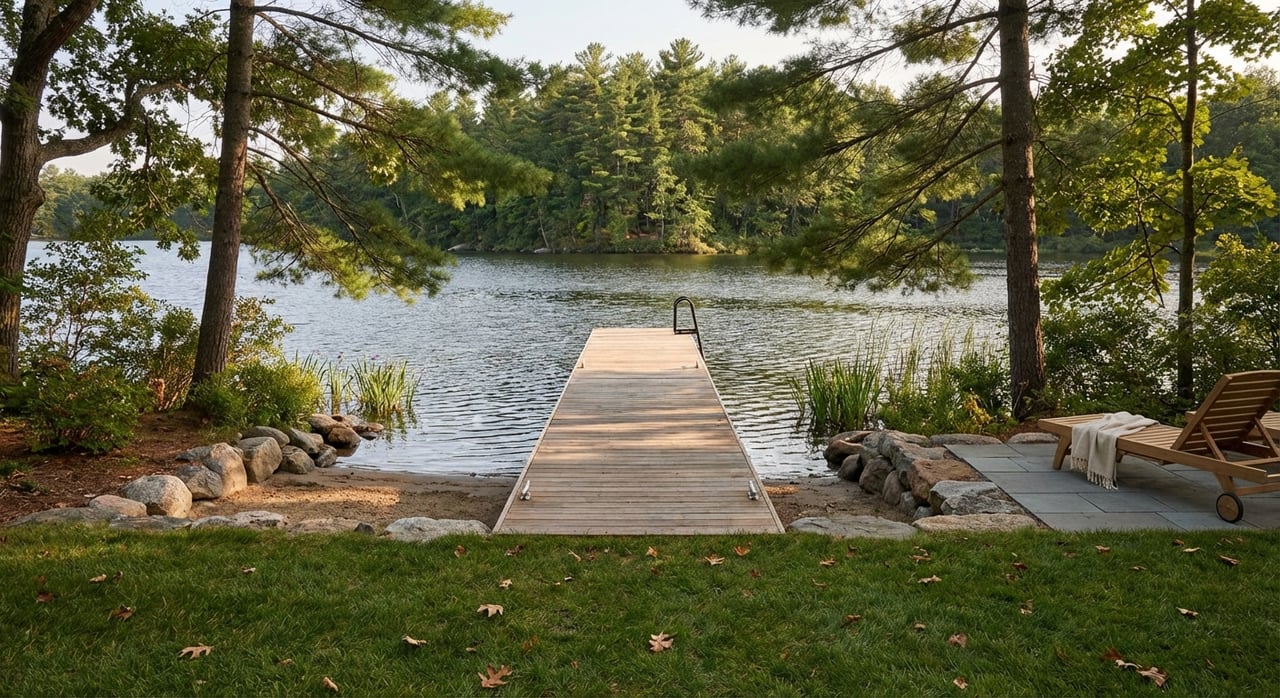
Picture this: early light on glassy water, a loon calling somewhere across the bay, and coffee in hand on your dock. If you are curious whether that Orono rhythm is really for you, you are not alone. In this guide, you will get a clear, day-to-day sense of lake living on Lake Minnetonka, from boat culture and seasons to access rules, parks, commute times, and real-world costs. Let’s dive in.
Orono sits along the northern shoreline of Lake Minnetonka, a large, multi-basin lake with more than 14,000 acres and many named bays. It is an active, year-round recreational lake with fishing, sailing, paddling, and power boating that shape the local routine. The city is home to a small population of about 8,315 residents, and most households own their homes, which contributes to a settled, neighborhood feel. Typical commutes average about 25 minutes, so you get lakeside calm with practical access to the Twin Cities core.
On-water life is central here. You will see pontoons, sailboats, fishing rigs, and runabouts, with marinas and yacht clubs serving the area. The experience varies by bay: bigger water often means more activity, while smaller coves feel quieter and more private. What matters most when you buy is your access type and the rules that come with it.
Common access types:
The Lake Minnetonka Conservation District (LMCD) sets dock, mooring, and watercraft density rules, while cities regulate shoreline zoning. Before you fall in love with a property, review permitted dock length, the number of craft allowed, and any recorded easements or variances. Start with the LMCD’s guidance for lake shore owners.
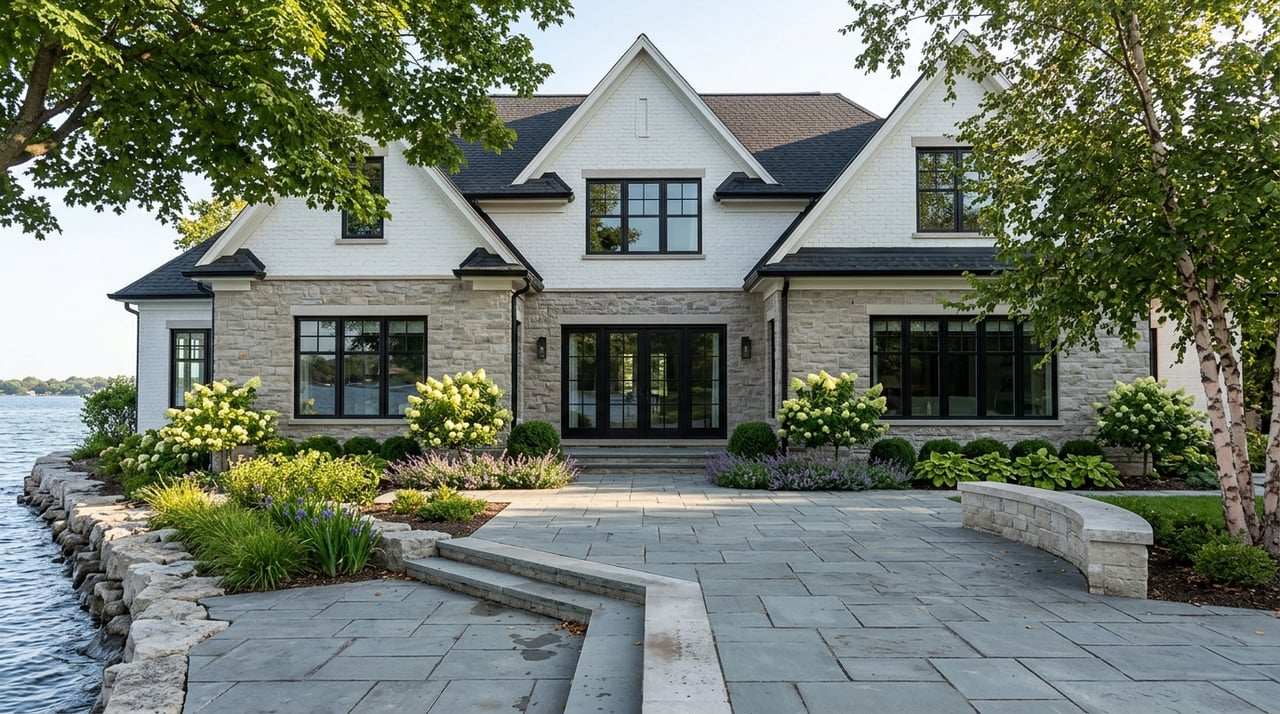
You will find a wide mix of properties in Orono. Lakefront estates on larger lots come with significant shoreline and private docks. Mid-lake cottages, many of them remodeled, add character and history. Inland, larger wooded lots and thoughtful zoning preserve a quieter, lower-density feel, which is a big reason many buyers choose Orono.
Expect a premium market with a wide range. As of January 2026, market indices show typical values around or above 1 million dollars, and lakefront estates often sell for multiples of that. You will also see variation by bay, frontage quality, lot size, and home condition. If you are comparing options, it helps to look at both on-lake and near-lake listings to align lifestyle goals and budget.
For everyday outdoor time, the City of Orono also maintains an extensive network of local parks, trails, beaches, and open space that support a true lake-first lifestyle.
You will run most daily errands in the nearby lake towns. Wayzata, Excelsior, and Mound offer groceries, boutiques, and lakeside dining, while larger retail and healthcare hubs are a short drive into Minnetonka or Minneapolis. Orono’s mean travel time to work is roughly 25 minutes, which keeps weekday logistics manageable while you enjoy a quieter shoreline setting.
Orono Public Schools (ISD 278) operates a single K–12 campus nearby, which many families appreciate for its cohesive feel and convenience. If schools are a key factor for you, check district statistics and explore the campus in person to understand the layout and timing of your day. Review district information on Orono Public Schools statistics.
Lake Minnetonka’s health is a shared priority. The LMCD coordinates lake-wide rules and stewardship, and Hennepin County runs Aquatic Invasive Species education and inspection programs. These efforts shape everyday choices, from landscaping to launch procedures, and they help keep water quality and access strong for the long term.
Use this quick list to test the lifestyle and confirm key details before you write an offer.
If you want lakeside calm without giving up metro access, Orono is compelling. The real feel is sunrise on still water in June, quiet trails in October, and a clear, starry night over snow-covered ice in January. The key is matching bay, access, property type, and budget to how you live day to day. If you want a guided, local look at specific bays, dock rights, and on- and off-market options, connect with the Morgan Real Estate Group. We live this market and can help you experience it the way you plan to use it.
Stay up to date on the latest real estate trends.

It is our plan to continue this tradition and we look forward to serving you.