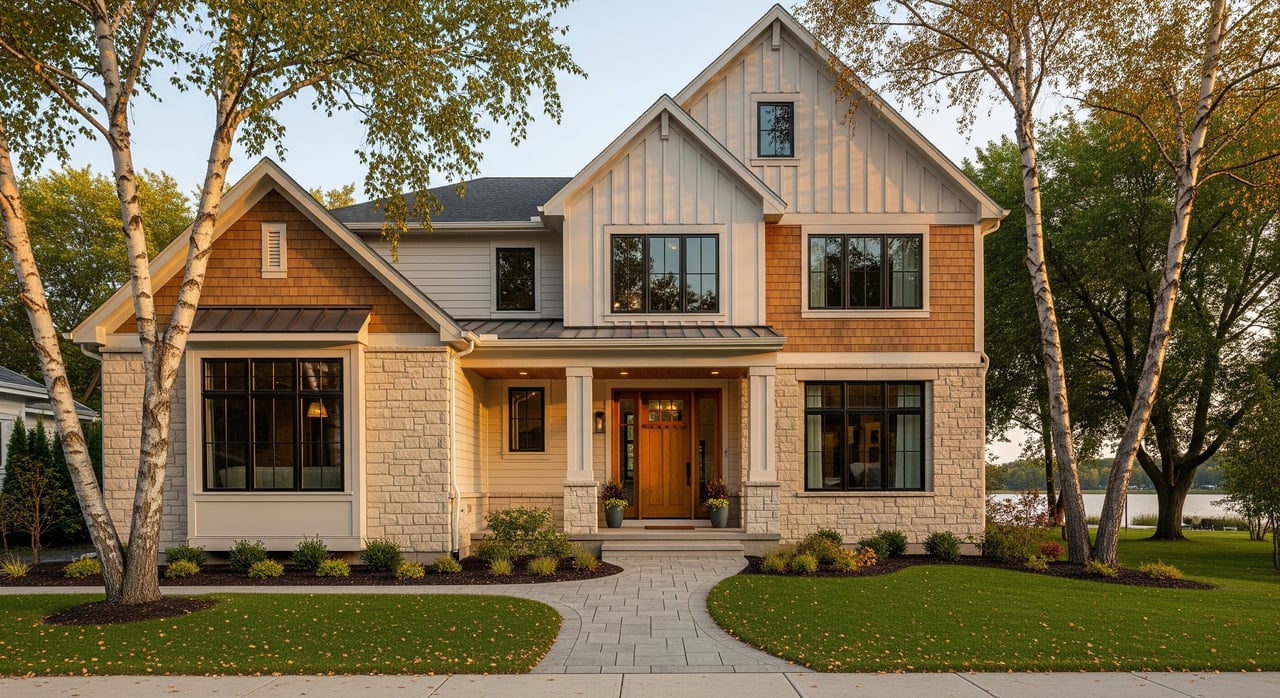
Plymouth First-Time Homebuyer Guide for Confident Buyers
December 4, 2025
December 4, 2025
Buying your first home in Plymouth can feel exciting and a little overwhelming. You want a clear plan, reliable information, and local guidance so you can make confident decisions. In this guide, you will learn what to expect from Plymouth’s housing stock and commutes, how Minnesota’s first-time buyer programs work, and a step-by-step path from pre-approval to closing. Let’s dive in.
Plymouth is a west-suburb of Minneapolis with a wide mix of neighborhoods and home types. You will see many single-family homes on suburban lots, plus townhomes and condos that can be great entry points. Waterfront and near-lake areas often come at a premium, and some parcels near lakes can have extra rules or assessments.
Several school districts serve parts of Plymouth. The largest district serving many neighborhoods is Wayzata Public Schools, and other districts cover portions of the city. Always check the exact boundary map for the specific address before you buy. City services like snow removal and utilities vary by location, so confirm details with the city for any home you are considering.
For property taxes and assessments, review the current tax statement for the property and verify if any special assessments are pending. You can explore county tools and questions through Hennepin County property tax resources.
The most common option is a single-family home built between the 1960s and 1990s, with newer construction at the edges of the city. Townhomes and condos are also common, especially in planned developments. If you pursue a condo or townhome, plan for association dues and review the HOA budget, reserves, and any special assessments during due diligence.
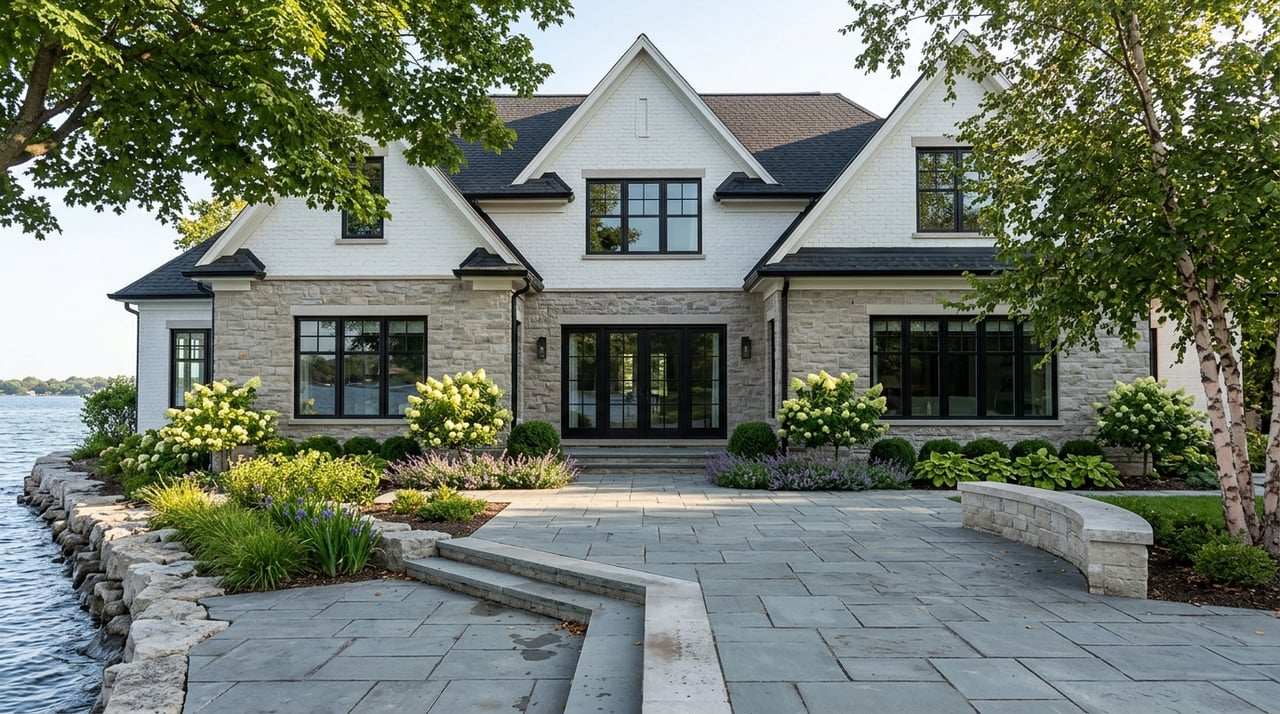
Near-lake properties and lakefront homes tend to command higher prices and may involve unique shoreline setbacks and local rules. If a property is close to a lake or wetland, confirm what applies with the City of Plymouth planning and services.
Driving is the primary commute mode for most Plymouth residents. Expect typical peak-hour congestion on regional arterials into and out of the metro core. If transit matters to you, look for properties near express bus stops or park-and-ride lots.
Plymouth does not have a light-rail station, and the Northstar commuter rail does not directly serve most of the city. However, Metro Transit route maps and schedules show express or commuter bus service from certain areas to downtown Minneapolis. Before you buy, test your commute at rush hour and verify park-and-ride options near your target neighborhood.
If you want data to compare commute times by area, you can explore the American Community Survey commute data.
Most first-time buyers compare conventional loans, FHA loans, VA loans for eligible veterans, and USDA loans for rural areas. Your lender can help you match your budget to the right product.
Minnesota also offers strong first-time buyer support through the state housing finance agency. Minnesota Housing down payment assistance and MCC programs may help with down payment or closing costs, and the Mortgage Credit Certificate (MCC) can provide a federal tax credit on a portion of your mortgage interest if you qualify. These programs have income and purchase-price limits and require an approved lender. Hennepin County and some cities occasionally offer local resources, so it is worth checking Hennepin County housing resources and the City of Plymouth’s website for any current offerings.
Ask lenders if they originate Minnesota Housing program loans and MCCs. Not every lender does, and coordinating assistance early can make your closing smoother.
Start by defining your must-haves and nice-to-haves. Consider price range, commute time, home type, lot size, proximity to trails or transit, and your school preferences. Ask a local agent for a recent Plymouth market snapshot using MLS data, since median price, inventory, and days on market change frequently.
Review properties’ parcel and tax details using county tools, and verify any special assessments. If schools factor into your decision, check the district’s boundary map for each address you consider. Build a realistic monthly budget that includes principal, interest, taxes, insurance, HOA dues if applicable, and utilities.
Check your credit early and correct any errors. Then shop multiple lenders, including a bank or credit union and a mortgage broker. Request a written pre-approval that outlines your loan type, rate quote, and estimated cash to close.
If you may use state programs, confirm the lender can originate Minnesota Housing loans and the MCC. Ask for a Loan Estimate that shows the full monthly payment and closing costs for your target price range.
Select a buyer’s agent who is active in Plymouth and familiar with first-time buyer programs. Set up automated listing alerts from the MLS for new matches and price reductions. For condos and townhomes, request HOA financials and meeting minutes early.
If you want to understand how offers are performing neighborhood by neighborhood, ask your agent to pull comparable sales and recent days-on-market trends from the Northstar MLS.
Work with your agent to set offer terms based on recent comparable sales and current market tension. Typical contingencies include inspection, financing, appraisal, and clear title. In Minnesota, consider a radon test contingency as part of your inspection window.
Plan for an earnest money deposit, and ask your agent about local norms and where funds are held. If you are using down payment assistance, coordinate timing with your lender to keep the transaction on track.
Your lender will order an appraisal and complete underwriting. Be ready to provide documents quickly if the lender asks. Schedule a final walkthrough to confirm agreed repairs and property condition.
On closing day, you will sign loan and title documents, pay closing costs, and receive your keys. Line up utility transfers and service changes in advance so you can move in smoothly.
If you want a smooth first purchase, surround yourself with a great lender and a local buyer’s agent who understands Plymouth. You will get better data, sharper pricing advice, and help uncovering options, including townhomes, condos, and the right single-family homes near your target commute. When you are ready, connect with Morgan Real Estate Group for neighborhood guidance, curated listing alerts, and first-time buyer representation.
Stay up to date on the latest real estate trends.
It is our plan to continue this tradition and we look forward to serving you.