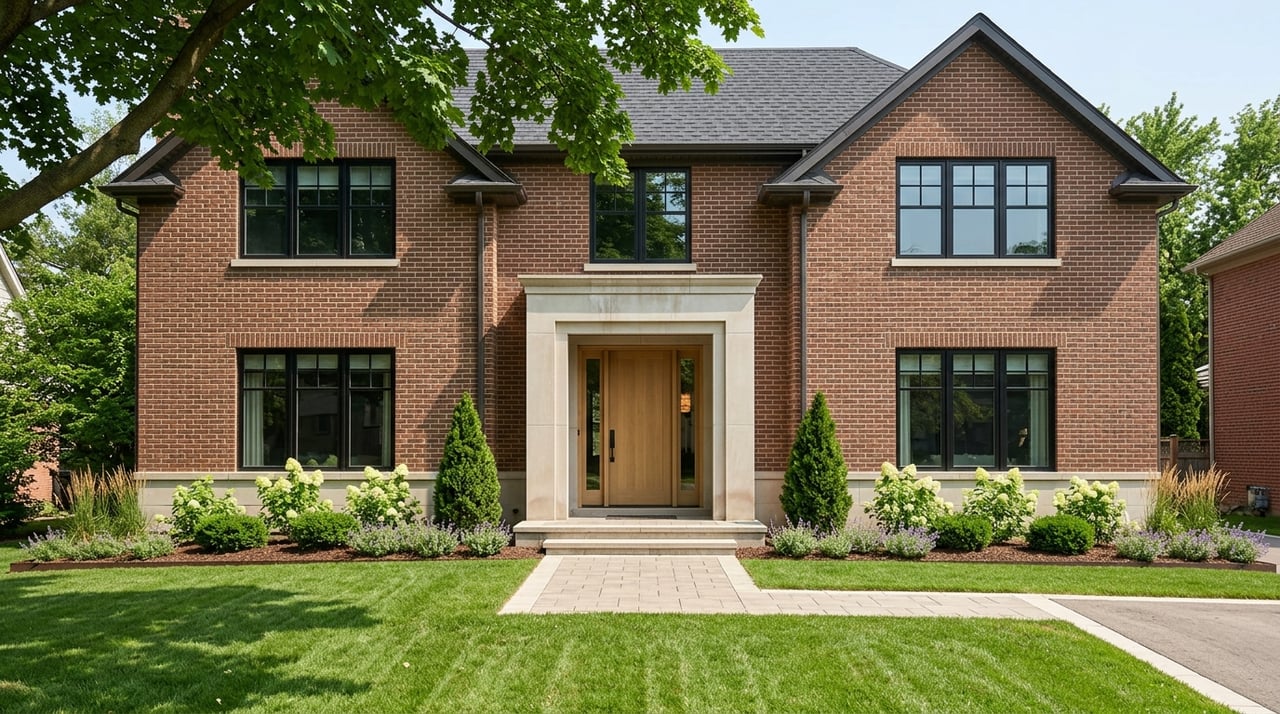
Best Time to Sell Your Plymouth Home for Strong Results
May 14, 2026
May 14, 2026
If you want the best result when selling your Plymouth home, timing matters more than many sellers think. In a market where well-positioned homes can move in about a month, choosing when to list can affect your speed, pricing power, and overall stress level. The good news is that Plymouth’s recent market data gives you a clear starting point, and smart preparation can help you make the most of it. Let’s dive in.
Plymouth is moving at a solid pace compared with the broader Minnesota market. In March 2026, local reports showed median days on market around 27 days, while statewide figures were slower at 34 to 44 days depending on the source. That tells you Plymouth is competitive, and that your launch window can matter.
Recent pricing signals also point to a healthy local market. March 2026 data showed median sale prices and home values in the roughly $506,000 to $509,000 range, with active inventory reported between 177 and 259 homes for sale depending on the platform. For sellers, that means buyers are active, but they still have choices.
The clearest seasonal pattern points to spring. Twin Cities MLS data showed median days on market dropping from 59 in March 2025 to 50 in April, 44 in May, and 39 in June, before rising again in fall and winter. At the same time, the percent of original list price received peaked at 100.0% in May and June 2025.
For Plymouth sellers, the practical sweet spot is late April through late May. Local and national timing research both support that window, with Minneapolis-specific Zillow analysis showing the strongest premium in the last two weeks of May. That suggests sellers in Plymouth may benefit most from being fully ready before mid-to-late May arrives.
Spring tends to bring a larger pool of active buyers. Many households want to move before summer schedules fill up, and some are trying to line up a move before the next school year begins. Plymouth’s demographic profile, including a high owner-occupancy rate and a notable share of residents under 18, helps explain why planning cycles and summer move timing can matter here.
Spring also tends to support stronger price realization. In the Twin Cities MLS data, sellers in May and June captured more of their original list price than sellers during winter. In simple terms, buyers are often more engaged in spring, and homes tend to sell faster.
If you want one narrow target, mid-to-late May stands out. Zillow’s 2026 analysis found that Minneapolis listings in the last two weeks of May sold for a 3.0% premium on a typical home. While Plymouth is its own market, that nearby metro trend lines up well with the broader Twin Cities seasonality data.
That does not mean every home should wait until May. If your home is ready earlier and buyer demand is strong, listing in late April can still put you in an excellent position. The bigger point is to prepare early enough that you can launch during the strongest part of the spring market, rather than rushing to catch it.
The best listing date is rarely a single day on the calendar. Zillow notes that most sellers start thinking about selling three to four months before they list, which fits what many homeowners experience in real life. If your goal is a late April or May launch, your prep work often needs to begin in late winter or early spring.
That early runway matters because the homes that perform best are usually the ones that feel polished from day one. Cleaning, staging, small repairs, photography, pricing strategy, and pre-listing improvements all take time. A rushed listing can miss the very advantage that a strong spring window offers.
A strong prep plan often includes:
At Michelle & Patrick Homes, this kind of preparation is a major part of how listings are positioned. Thoughtful staging, pre-listing improvements, and professional marketing can help your home stand out when the best buyers are watching.
A great calendar window cannot fix weak pricing or poor presentation. Even in a competitive market like Plymouth, buyers respond first to what they see online and how the home is positioned against similar listings. Timing helps, but strategy is what turns opportunity into results.
Zillow’s research noted that buyers tend to pay more for listings that look good online, and homes that were not listed on the MLS sold for a median 1.5% less. That reinforces an important point for Plymouth sellers: broad exposure, strong visuals, and accurate pricing still matter just as much as seasonality.
If you price too high, you can lose momentum during the most valuable first days on market. In a market where many homes are going pending within about a month, that early attention is important. A well-priced home can create urgency, while an overpriced one can sit long enough for buyers to wonder what they are missing.
This is where local strategy becomes especially useful. Plymouth is faster than the statewide average right now, but that does not mean every property will perform the same way. Condition, price point, location within the city, and competing inventory all shape the response your listing gets.
Your listing photos, staging, and overall presentation often shape whether buyers book a showing or scroll past. In a spring market, when more homes are hitting the market, your home has to compete well from day one. Clean visuals, clear marketing, and a move-in-ready feel can all support better results.
That is especially true for larger suburban homes and move-up properties, where buyers tend to compare layout, finish level, and curb appeal closely. A thoughtful launch can help your home feel worth the asking price before a buyer even steps inside.
You can still sell successfully outside late April and May. Summer remains active, though some weeks can slow down around vacations. Fall can also bring serious buyers, even if they may be more price-sensitive than spring buyers.
Winter is usually the slowest season based on the regional data. Twin Cities MLS numbers showed days on market rising into late fall and winter, with weaker list-price capture than the spring peak. Still, if inventory stays tight or rates improve, a well-prepared home can absolutely perform outside the ideal season.
Rates can quickly shift buyer behavior. Minneapolis Area Realtors reported a brief dip below 6% in late February 2026, while Freddie Mac’s 30-year fixed average was 6.37% on May 7, 2026. When rates ease, buyers who were waiting on the sidelines may move faster.
That means the best time to list is not only about the month. It is also about whether buyers feel ready to act. If rates improve and inventory stays reasonable, a strong listing can gain traction even outside the textbook peak.
When sellers hear that homes are selling in about 27 days, it helps to understand what that number means. NorthstarMLS explains that DOM tracks how long a listing stays active under its current MLS number. Other measures, like CDOM, can show a fuller picture of total market exposure over time.
This matters because a relisted home may appear newer than it really is. If you are comparing your home to other listings, it is important to look beyond a single number and understand the full context. That is one reason why local guidance can be so valuable when setting expectations.
If your goal is top-dollar and a smoother sale, the best approach is to think in terms of a listing window, not just a listing date. For many Plymouth sellers, that means planning ahead for a late April through late May launch. It also means making sure your home is ready to compete the moment it goes live.
A smart strategy usually comes down to three things:
That combination gives you the best chance to attract serious buyers quickly and protect your negotiating position. In a market like Plymouth, where homes can move faster than the state average, that first impression matters.
If you are thinking about selling in Plymouth, the right timing starts with a clear plan. The team at Morgan Real Estate Group can help you evaluate your ideal listing window, prepare your home thoughtfully, and bring it to market with the kind of high-touch strategy that helps sellers stand out.
Stay up to date on the latest real estate trends.





It is our plan to continue this tradition and we look forward to serving you.